

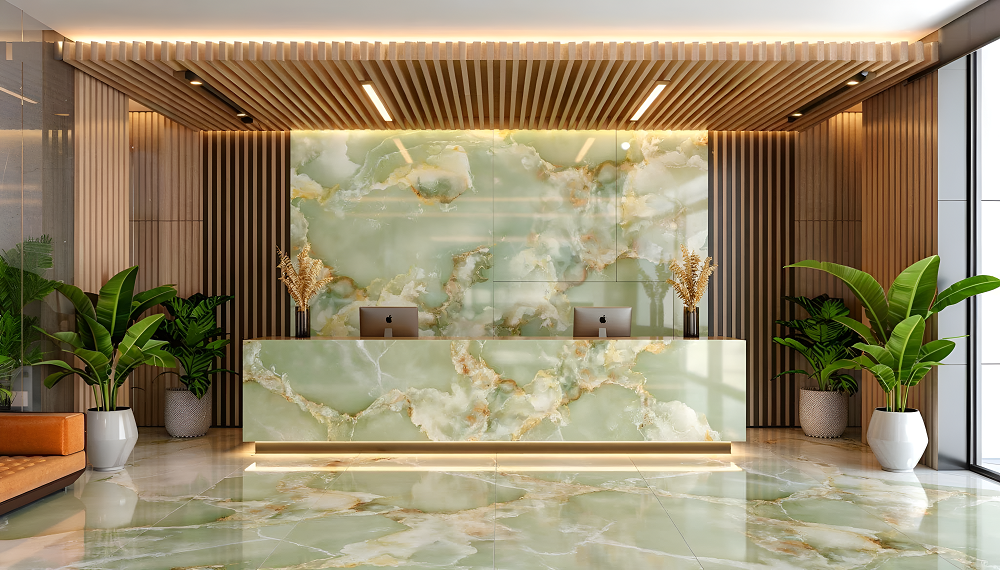
Granite vs Marble: Which Stone Actually Works for Your Home?
Walk into any stone yard in Bangalore and you will find yourself standing in front of hundreds of slabs, not knowing where to start. The sales guy points at the shiny white marble. Your contractor swears by black granite. Your architect says use both. And you are standing there, budget in hand, completely confused.
This is one of the most common conversations we have with customers at Pratibha Marbles. Granite or marble? The honest answer is: both are excellent, but for different reasons and different places. Here is a no-fluff breakdown that will actually help you decide.
They Come from Very Different Places Underground
Marble starts as limestone. Over millions of years, intense heat and pressure transform it into the stone with those distinctive flowing veins. Those veins are not just decorative. They tell you where minerals ran through the rock during formation. Each slab is genuinely one of a kind.
Granite forms from cooled magma. It is dense, tightly packed, and loaded with quartz and feldspar, which gives it that speckled, granular look. Because of how it forms, it ends up harder and less porous than marble.
Why does this matter to you? Because the way a stone forms determines how it behaves in your home for the next 20 years.
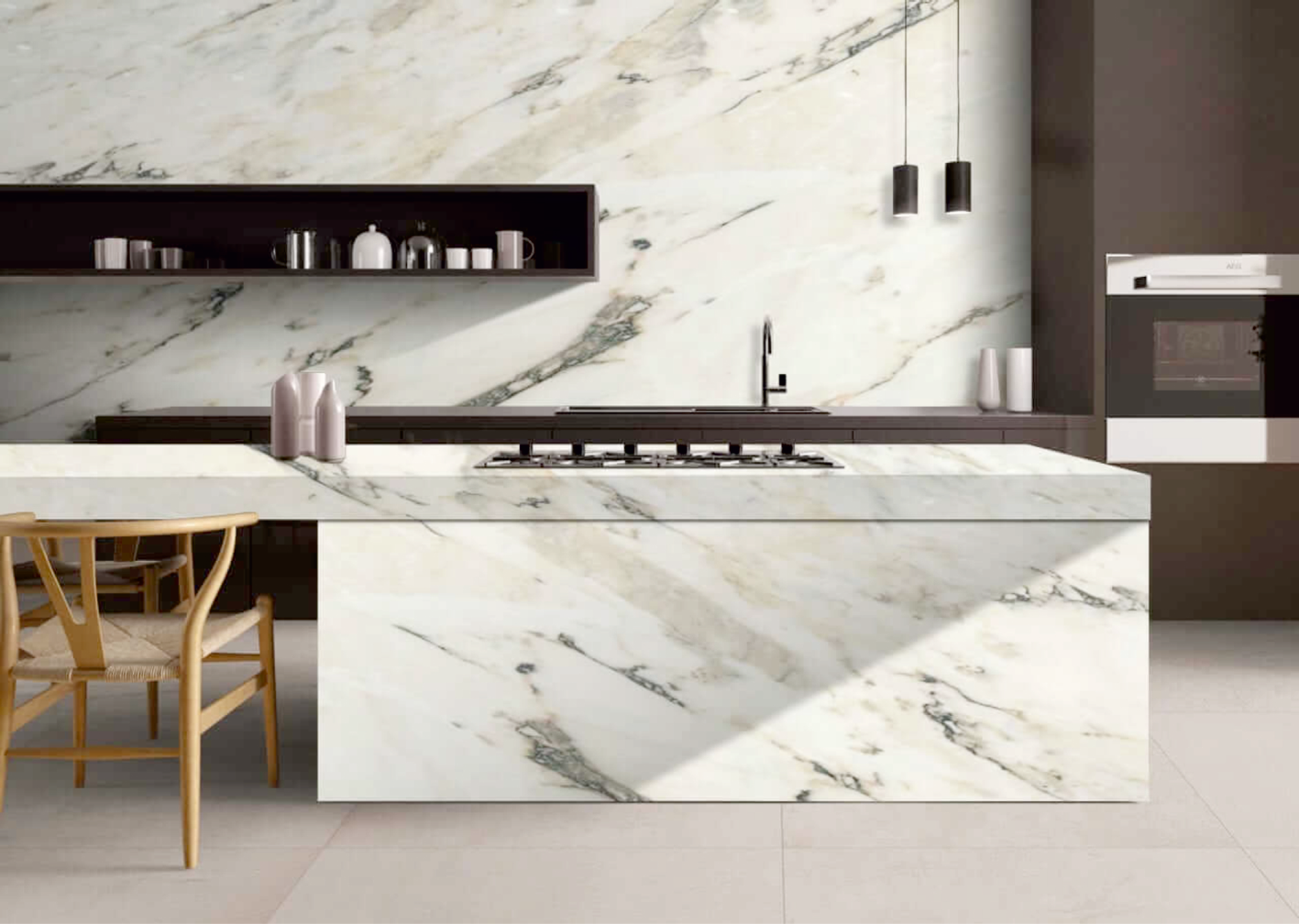
The Durability Question, Answered Honestly
Granite is harder. Full stop. It sits higher on the Mohs hardness scale, which means everyday scratches from keys, utensils, and grit underfoot affect it far less than marble.
Spill coffee, turmeric, or cooking oil on a sealed granite surface and you can wipe it clean without a second thought.
Marble is softer and more reactive. Acidic substances like lemon juice, vinegar, and even some floor cleaners can etch the surface and leave dull patches. You will not always notice it the first time. But over two or three years of daily kitchen use, polished marble starts to lose that mirror finish.
This does not mean marble is fragile. It has been used in Indian temples, palaces, and heritage buildings for centuries. The Taj Mahal is marble. But context matters. A heritage monument with low foot traffic is not the same as a kitchen where five people cook every day.
Maintenance: The Cost Nobody Factors In
Both stones need sealing. But marble needs it more often, roughly every one to two years depending on use, while granite can go three to five years between sealings with normal care.
Marble floors in high-traffic areas will need professional polishing every few years to restore the shine. In Bangalore homes where domestic help uses strong floor cleaners, marble surfaces in kitchens and corridors tend to show wear faster than people expect. Factor this into your budget before you decide.
Granite is low maintenance by comparison. A mild soap and water clean is usually all it needs. For most Bangalore families, especially in homes where the kitchen sees heavy cooking daily, granite just makes practical sense.
What About the Look?
Marble wins on pure visual drama. The white and grey veined varieties like Makrana, Italian Carrara, and Statuario bring a softness and elegance that granite simply cannot replicate. For a pooja room, a master bedroom floor, or a luxury bathroom, marble creates a feeling that people notice the moment they walk in.
Granite has its own appeal. Black Galaxy under spotlights looks spectacular. Tan Brown and Kashmir White work beautifully in traditional South Indian homes. Exotic varieties from Brazil like Blue Bahia or Labradorite add drama to commercial spaces.
The difference is in the mood each stone creates. Marble feels refined and quiet. Granite feels bold and grounded.
Where to Use Each Stone
Marble works well in:
- Pooja rooms and prayer spaces
- Master bedroom flooring in low-traffic zones
- Living room feature areas and wall cladding
- Luxury bathroom walls and vanity tops
- Decorative staircases in premium homes
Granite is better suited for:
- Kitchen countertops and cooking platforms
- Corridors, staircases, and any high-traffic floor area
- Exterior flooring, car porches, and outdoor spaces
- Commercial spaces including offices, clinics, and retail stores
- Wet areas like utility rooms and service areas
So What Should You Actually Do?
Most good homes in Bangalore use both. Granite in the kitchen, corridors, and utility areas where the stone takes daily punishment. Marble in the living room, pooja room, and master bedroom where the focus is on how the space looks and feels.
The problem only comes when people put marble in the kitchen because it looks beautiful, or avoid granite in the living room because they think it looks industrial. Neither assumption is right. It is about matching the stone to the job.
At Pratibha Marbles, we stock both, sourced directly from quarries across Rajasthan, Andhra Pradesh, and international origins. Our team will walk you through actual slabs, not just samples, so you can see exactly what you are buying before you commit. Come in, ask questions, and leave with clarity.
